

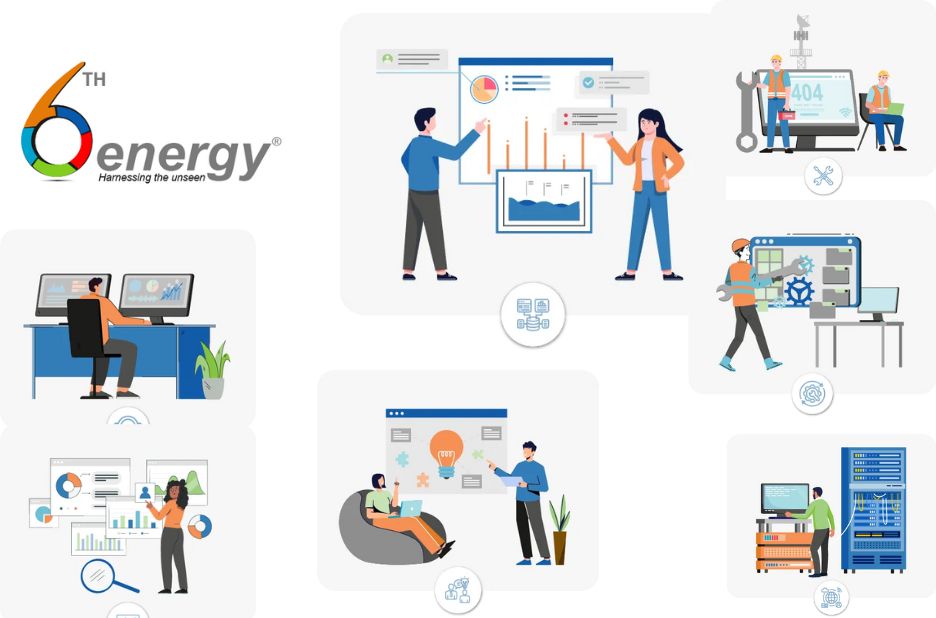
Overview of the IoT analytics landscape
In today’s connected environments, organisations are increasingly turning to data‑driven approaches to optimise performance, cut downtime and extend asset life. The right set of tools can surface actionable insights from myriad sensors, devices and edge nodes. A practical strategy blends data collection, real‑time IoT predictive analytics tools monitoring and powerful modelling to create a clear view of how devices behave under varying conditions. This section examines how predictive models integrate with existing workflows to support proactive decision making across operations and maintenance teams.
Key capabilities of IoT predictive analytics tools
Effective IoT predictive analytics tools combine data ingestion, anomaly detection, forecasting and scenario testing. They enable teams to identify early signs of wear, predict failure windows and optimise maintenance schedules. IoT device lifecycle monitoring Beyond basic alerts, mature platforms deliver context such as failure modes, recommended mitigations and impact analyses, helping engineers prioritise interventions and allocate scarce resources efficiently.
Managing IoT device lifecycle monitoring
IoT device lifecycle monitoring focuses on the full arc from deployment to decommissioning. By tracking firmware updates, battery health, connectivity stability and security posture, organisations can reduce unplanned outages and extend device usefulness. Integrations with asset registries and maintenance ticketing streamline workflows, while dashboards offer at‑a‑glance status across fleets and locations.
Implementing a practical analytics strategy
A pragmatic approach starts with clearly defined outcomes, such as reducing downtime by a specific percentage or shortening mean time to repair. Data quality, governance and privacy considerations are foundational, ensuring insights are trustworthy and compliant. Selecting scalable tools and building repeatable templates for data pipelines helps teams replicate success across sites and asset classes, while a culture of continuous improvement keeps analytics aligned with business goals.
Real‑world benefits and considerations
Users report tangible gains in reliability, operational efficiency and cost management when predictive analytics are applied thoughtfully. Yet challenges endure, including data silos, integration complexity and the need for skilled interpretation of model outputs. By prioritising interoperability, clear ownership and ongoing training, organisations can move from reactive responses to proactive, data‑driven operations in a sustainable way.
Conclusion
To advance capabilities in this space, organisations should formulate an actionable roadmap that ties analytics to maintenance planning, asset performance and risk management. Start with small, high‑impact pilots, then scale as confidence grows and data quality improves. Visit Sixth Energy Technologies Pvt. Ltd. for more insights on practical tools and best practices in this domain.