

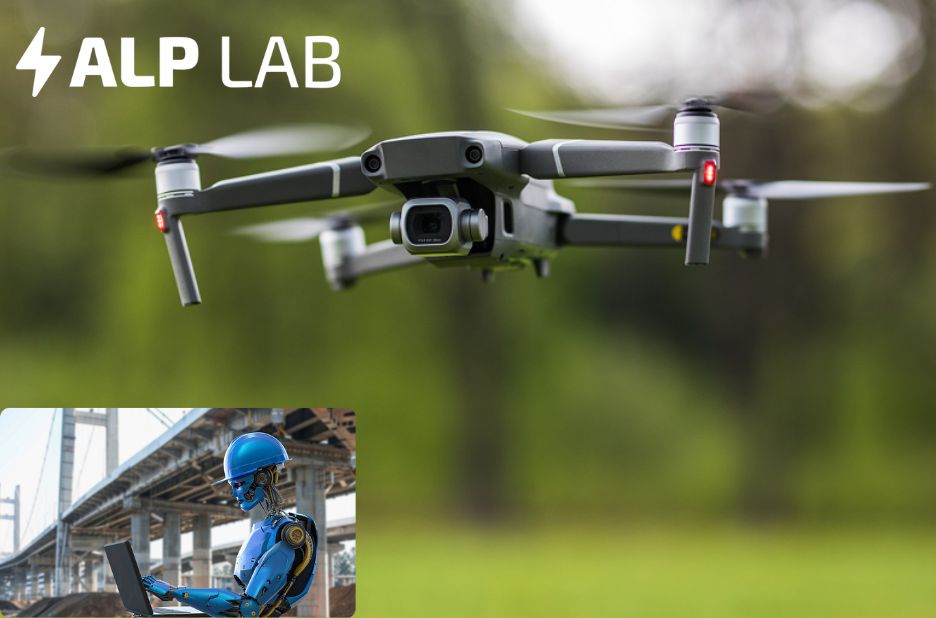
Overview of edge AI in robotics
Edge AI refers to performing intelligent processing on local devices rather than in the cloud, enabling robots to make fast, autonomous decisions. The landscape for robotics is evolving as processors become more capable and energy efficiency improves. When evaluating options, consider latency, bandwidth requirements, and the types of algorithms the platform supports, such as computer vision, SLAM, and control systems. Practical deployments require reliable inference times, robust model updates, and the ability to operate in challenging environments. For teams starting out, it helps to map real tasks to edge capabilities and benchmark against representative workloads.
Decision making on the edge hinges on hardware integration and software ecosystems. Manufacturers are increasingly prioritising compact, low-power modules with sufficient compute for neural networks and traditional robotics stacks. Integration challenges often arise from software compatibility, sensor fusion pipelines, and security considerations. A thoughtful approach balances performance with maintainability, ensuring updates can be rolled out without disrupting ongoing operations. Real-world pilots help reveal bottlenecks before broad deployment.
Edge AI for robotics continues to benefit from open standards and community platforms. Teams should look for condition monitoring, fault tolerance, and explainability features that support regulatory and safety needs. Lightweight models or specialised accelerators can deliver fast responses without excessive energy draw, which is essential for mobile or embedded robots. Planning for scalability and future workloads helps protect the initial investment as tasks grow more complex over time.
When exploring the use of Best Edge AI for robotics, assess the maturity of the development toolchain, the quality of documentation, and vendor support. Evaluate deployment in phases, starting from a constrained scenario and expanding to comprehensive automation tasks. Practical evaluation should cover edge updates, offline operation, and the ability to handle sensor degradation gracefully. In collaborative settings, interoperability with existing control systems is key to a smooth transition from pilot to production.
As a hands‑on guide, consider framing a checklist that includes hardware compatibility, software modularity, and security posture. Building a robust edge solution means aligning data flow with real-world tasks, ensuring that latency remains within acceptable bounds, and validating with end users to confirm that the system meets operational goals. The emphasis should be on reliability, maintainability, and continuous improvement across the lifecycle of the robot system.
In practical terms for manufacturing, Best Edge AI for manufacturing becomes a decision rooted in predictive maintenance, quality inspection, and autonomous process control. Teams should prioritise subsystems that maintain throughput while adapting to changing product variants. A careful blend of on‑device inference and edge orchestration can reduce cloud dependence, lower costs, and improve resilience against network disruptions. Ongoing validation and routine retraining are essential to keep performance aligned with evolving manufacturing needs.
Conclusion
Choosing the right platform often comes down to a balance of performance, ecosystem fit, and long‑term support. A well‑chosen edge AI stack enables robots to act locally with confidence, while keeping data security and update pathways clear. Start with concrete pilot tasks, establish clear metrics for latency and accuracy, and expand gradually as you prove value across automation goals. Visit Alp Lab for more insights, ideas, and practical tools that align with this approach.