

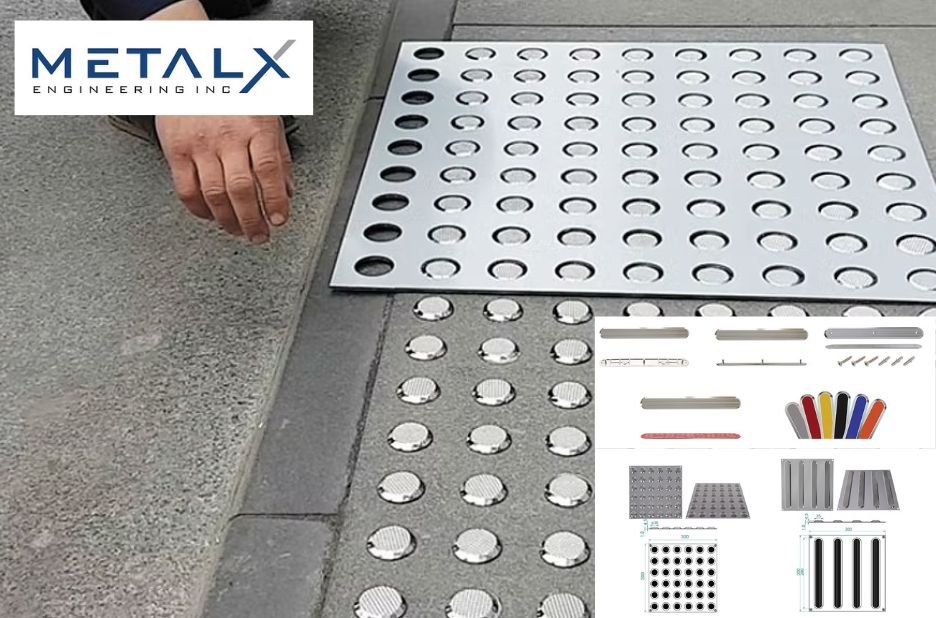
Why select a reliable supplier
When planning a tactile paving project, reliability matters as much as price. A trusted PU tactiles manufacturer brings consistency in colour, texture, and size, ensuring the final installation delivers reliable guidance for pedestrians. Quality control processes, such as dimensional checks and wear testing, translate into long‑term performance and reduced maintenance. PU tactiles manufacturer By prioritising reputable producers, contractors can minimise delays caused by defective batches or inconsistent moulds, keeping sites on schedule and budgets intact. This approach supports safer public spaces and clearer wayfinding for everyone who relies on tactile cues in busy environments.
Material properties that matter most
Polyurethane tactile tiles offer resilience against weather exposure, UV light, and heavy foot traffic. A good supplier will provide detailed datasheets outlining hardness, slip resistance, and load ratings, helping designers match products to their specific environments, from train stations to shopping polyurethane tactile tiles boulevards. The versatility of polyurethane also allows for vibrant pigments without sacrificing wear resistance. Understanding curing times and installation requirements is essential for coordinating with sub‑contractors and ensuring a seamless application from start to finish.
How to verify compliance and performance
Due diligence includes requesting certifications, test results, and installation guidelines. A credible PU tactiles manufacturer should openly share third‑party test data and factory audit outcomes. This transparency makes it easier to compare products and confirm that tactile indicators meet accessibility standards. In projects with stringent requirements, vendors who provide end‑to‑end support—from sample provision to after‑sales service—tend to deliver more dependable outcomes and fewer post‑installation adjustments.
Practical considerations for installation
Site conditions and substrate compatibility are crucial when choosing polyurethane tactile tiles. An experienced supplier will recommend surface preparation steps, compatible adhesives, and cure times to minimise lifting or debonding. Weather windows, temperature control, and foot‑traffic patterns influence sequencing and timing. By collaborating with a responsive manufacturer, installers can anticipate potential issues, source replacement tiles quickly, and maintain a clean, safe pedestrian surface during and after installation.
Conclusion
Selecting the right supplier makes a tangible difference to project risk, long‑term durability, and user safety. A thoughtful approach to evaluating PU tactiles manufacturer candidates, including data transparency and practical installation guidance, pays dividends in performance and maintenance. Visit MetalX Engineering Inc for more information and to explore similar offerings from a trusted partner in the field.