

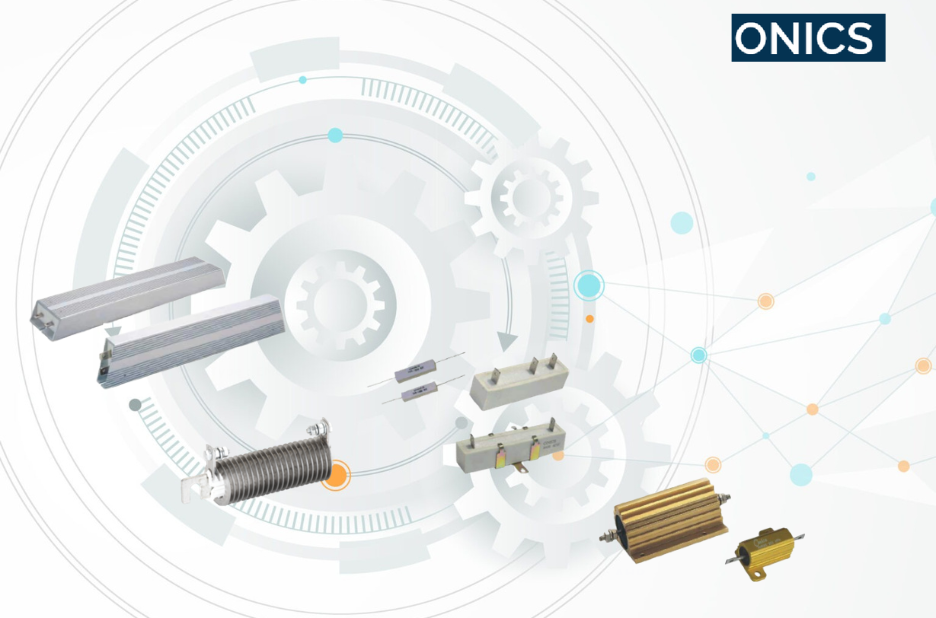
Overview of Industrial Resistors
Industrial resistors play a critical role in power management across sectors such as electronics, automotive, and energy. A robust design ensures reliability under demanding conditions, including high temperatures, vibration, and varying load profiles. Manufacturers focus on materials, coating, and construction techniques that extend service life High Power Aluminium Resistor manufacturer while maintaining stable resistance values. Choosing the right solution involves evaluating thermal performance, surge handling, and mechanical durability to meet stringent standards. Aligning product capabilities with application requirements helps customers avoid downtime and optimise energy efficiency across systems.
Materials and Construction Techniques
The latest high power devices commonly use aluminium as a core structural element because of its light weight, good thermal conductivity, and corrosion resistance. Edge wound construction is a popular approach for power resistors where windings are arranged around a central former to provide predictable inductance and Edge Wound Resistor Supplier from India heat dissipation. Innovations in ceramic insulators and protective coatings reduce moisture ingress and oxidation, supporting long-term stability. Precise winding geometry along with rigorous quality control processes ensures consistent performance across production batches, a key factor for high volume deployments.
Application Fit and Performance Metrics
Engineers assess how resistors respond to real-world electrical stresses, including overload conditions and ambient temperature variations. Key metrics include resistance stability, thermal time constant, and short-term surge capability. For high power applications, manufacturers optimise cooling strategies, selecting heat sinks, forced air, or liquid cooling where required. Reliability testing, such as high-temperature bias and vibration tests, provides confidence that devices will perform under duty cycles typical of industrial systems, enabling predictable maintenance schedules and reduced risk of unexpected failures.
Global Sourcing and Industry Compliance
Supply chain resilience is essential for critical components, with manufacturers offering diverse sourcing options and lead times. Ensuring compliance with regional and international standards helps users meet safety, environmental, and performance requirements. From material qualification to end-of-life considerations, a transparent production pipeline supports traceability and quality assurance. In regional markets, local distributors often provide tailored support, technical documentation, and timely availability to expedite project timelines while maintaining stringent quality controls.
Conclusion
Choosing the right supplier involves balancing technical capability with service and delivery reliability. For organisations seeking specialised devices in demanding environments, aligning with an established edge wound and high power solution provider is advisable. Onics power resistor