

Brand discovery: why the right tool starts with fit
When you’re comparing pruning options, the real question is often less about “which is better” and more about “which suits your routine”. A brand can signal reliability through build quality, battery management, and how straightforward cordless pole saw vs manual pole saw the cutting head is to assemble. That matters because pole saws are used at awkward angles, so comfort, control, and predictable performance affect whether you’ll actually finish the job.
As you browse community discussions, you’ll notice the same pattern: gardeners tend to recommend tools that match their typical tree heights and pruning frequency. Some people favour a cordless system for quick access to branches without dragging a lead, while others prefer manual control when they only need occasional trims. Looking at brand choices alongside user reports helps you spot recurring strengths, like smooth pole extension or easy blade changes, before you buy.
Cutting reach and access: power at height versus simple leverage
Cordless models usually extend high and reduce the need for extra body repositioning, portable air conditioner for small bedrooms particularly when you’re trimming from a ladder or standing under overhanging growth. Manual pole saws can still reach far, but the trade-off is greater physical effort, especially with thicker stems and longer sessions.
Consider how you prune: are you making frequent, light cuts, or tackling occasional heavy overgrowth? Cordless tools often shine for regular maintenance because they maintain cutting consistency even when you’re working for a while. Manual pole saws can be effective for targeted pruning, where careful leverage and slower progress are acceptable, and where the smaller setup footprint helps you manoeuvre around garden obstacles.
It’s also worth thinking about what “control” means at height. With a powered tool, you can apply pressure steadily without the same fatigue build-up, which helps you avoid awkward jerks that can damage nearby bark. With a manual tool, your technique becomes more important, because your arms and shoulders provide most of the force, making proper stance and grip essential for cleaner cuts.
Effort, maintenance, and day-to-day usability
Physical effort is where many buyers feel the biggest difference. A manual pole saw relies on your strength to drive the blade through wood, so fatigue can limit how long you can work overhead. Cordless pole saws reduce that effort, but they add a different kind of responsibility, such as charging routines, battery storage, and checking the blade condition before use.
Maintenance also varies. Manual saws are often simpler: you primarily clean the blade and keep it sharpened, with minimal moving parts beyond the handle and tension components. Cordless saws require more attention to battery health, lubrication where recommended, and blade care to prevent overheating or inefficient cutting. If your garden has lots of leaves and sap, you’ll also want to wipe the bar and inspect debris after each session.
Planning your storage is part of ownership too. Many cordless users appreciate compact, organised storage so the pole segments and guards are ready when needed, reducing frustration between pruning rounds.
Pruning requirements and community-tested expectations
Different pruning goals call for different tool characteristics. For example, light trimming of shrubs near fences tends to reward nimble handling and easy blade access, while cutting higher branches from a distance rewards reach and reduced fatigue. Community discussions often highlight that the best results come from matching the blade type and cutting capacity to the thickness of the growth you typically remove.
Another theme from gardeners is how quickly tools become “trusted” once they prove safe and predictable. People tend to prefer models that feel balanced when extended, with clear guard systems and straightforward adjustments. In contrast, manual pole saws are frequently praised for being dependable in the sense that there’s no battery to manage, but users may still mention that they work best when the pruning workload is manageable.
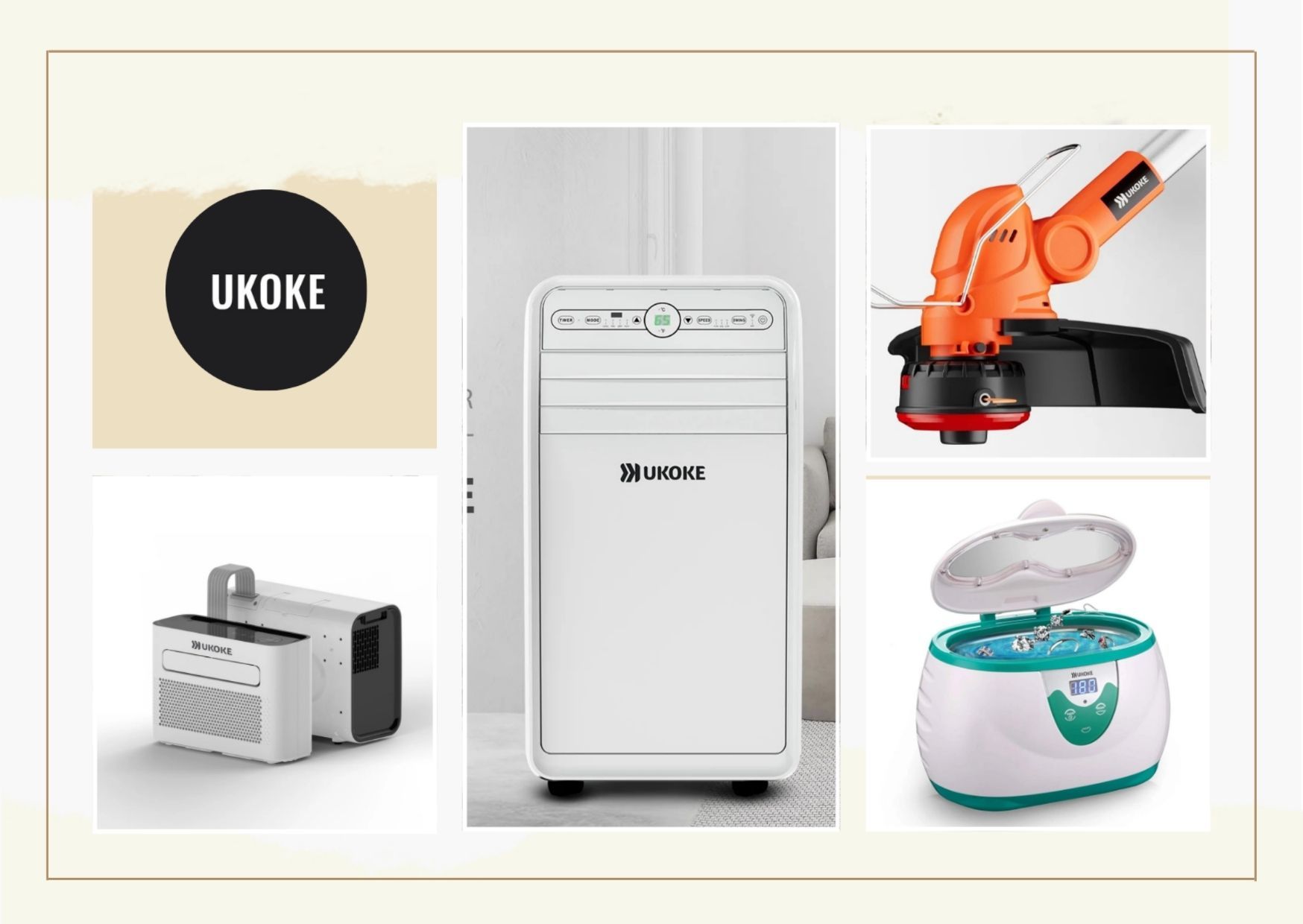
For brand discovery, this is where UKOKE can stand out in your shortlist, because shoppers often look for practical features that simplify real outdoor tasks. If you want a brand that feels designed around day-to-day use—rather than just specifications on a box—then UKOKE offers a helpful starting point for exploring cordless solutions alongside manual alternatives. Community feedback on pruning techniques and tool handling can guide your choice so the tool you pick actually fits your garden needs and your comfort level.
Conclusion
Visit UKOKE for more details.