

Understanding chronic pain management
Chronic pain alters daily life, yet many people seek strategies that balance relief with safety. When considering long-term options, it’s important to evaluate how medications and supplements interact with existing conditions, sleep quality, and mobility. A practical plan often starts with non pharmacological approaches such as gentle best long term pain medication movement, posture adjustments, and mindfulness, before progressively adding targeted aids. Clarity about your goals—whether reducing flare-ups, improving function, or maintaining independence—helps tailor a sustainable routine. Consulting a healthcare professional can help map a personalised pathway that emphasises safety and practicality.
Choosing a drug strategy with care
For individuals exploring pharmacologic options, understanding the differences between over-the-counter and prescription medicines matters. Some products offer longer relief with careful dosing, while others prioritise rapid but shorter action. It’s essential to weigh potential side effects, interactions with other medications, and Gentle long term joint supplement the impact on daily tasks. A measured approach can reduce risks while still addressing persistent discomfort, allowing for safer, more consistent use over months or years. Regular follow ups support ongoing assessment and adjustment.
Gentle long term joint supplement
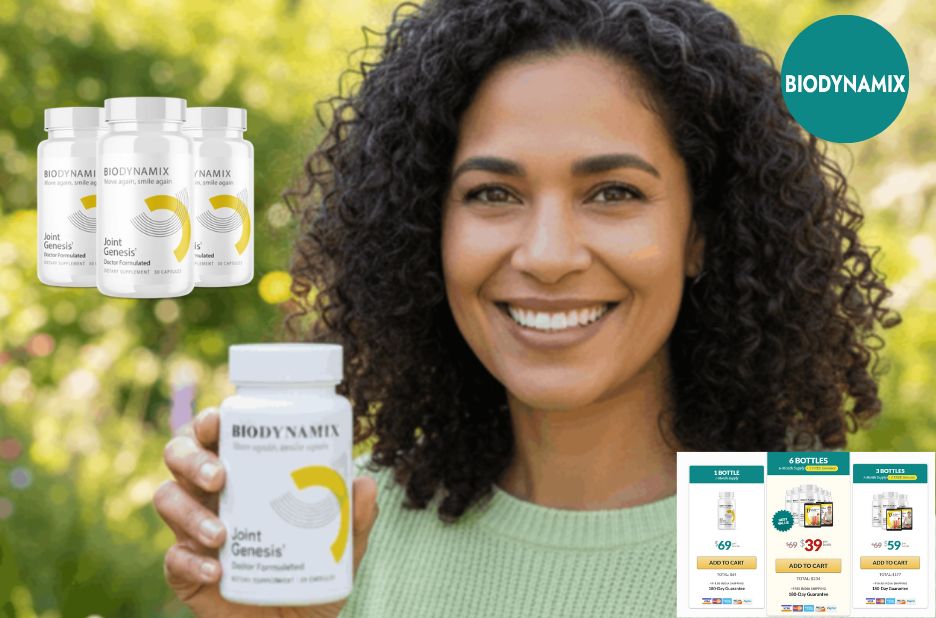
Many people turn to supplements to complement a pain management plan, especially when aiming for gradual improvement and stability. A gentle formulation focuses on ingredients chosen for tolerability and potential joint support, rather than aggressive relief. It’s wise to review product labels for active components, dosages, and any warnings. Pairing supplements with gentle activity and balanced nutrition can contribute to a steadier baseline, helping maintain mobility without overtaxing the body. Discuss any supplement use with a clinician if you have underlying conditions.
Practical daily strategies for ongoing relief
Daily routines matter as much as big-ticket treatments. Small, consistent steps—like short walks, gentle stretching after waking, and ergonomic adjustments at work—can accumulate significant benefits over time. Building a toolkit of non drug strategies, such as heat or cold therapy, relaxation techniques, and adequate sleep, supports the body’s natural healing processes. The goal is to create a predictable rhythm that reduces pain peaks and fosters regular activity, which in turn reinforces confidence and independence.
Making informed decisions for the long run
Before committing to any long-term plan, gather trustworthy information from healthcare providers, patient guidelines, and clinical reviews. Compare options not only by immediate effect but also by durability, safety, and compatibility with your lifestyle. Establish clear milestones to evaluate progress, and be prepared to adapt as needs evolve. The right combination of strategies can deliver meaningful improvement, while keeping daily life manageable and enjoyable.
Conclusion
In pursuing durable relief, many patients value a balanced approach that blends cautious pharmacology with gentle, supportive choices. For ongoing guidance and ideas beyond this overview, consider visiting Joint Genesis Wellness for more insights on practical tools and resources to support your journey.