

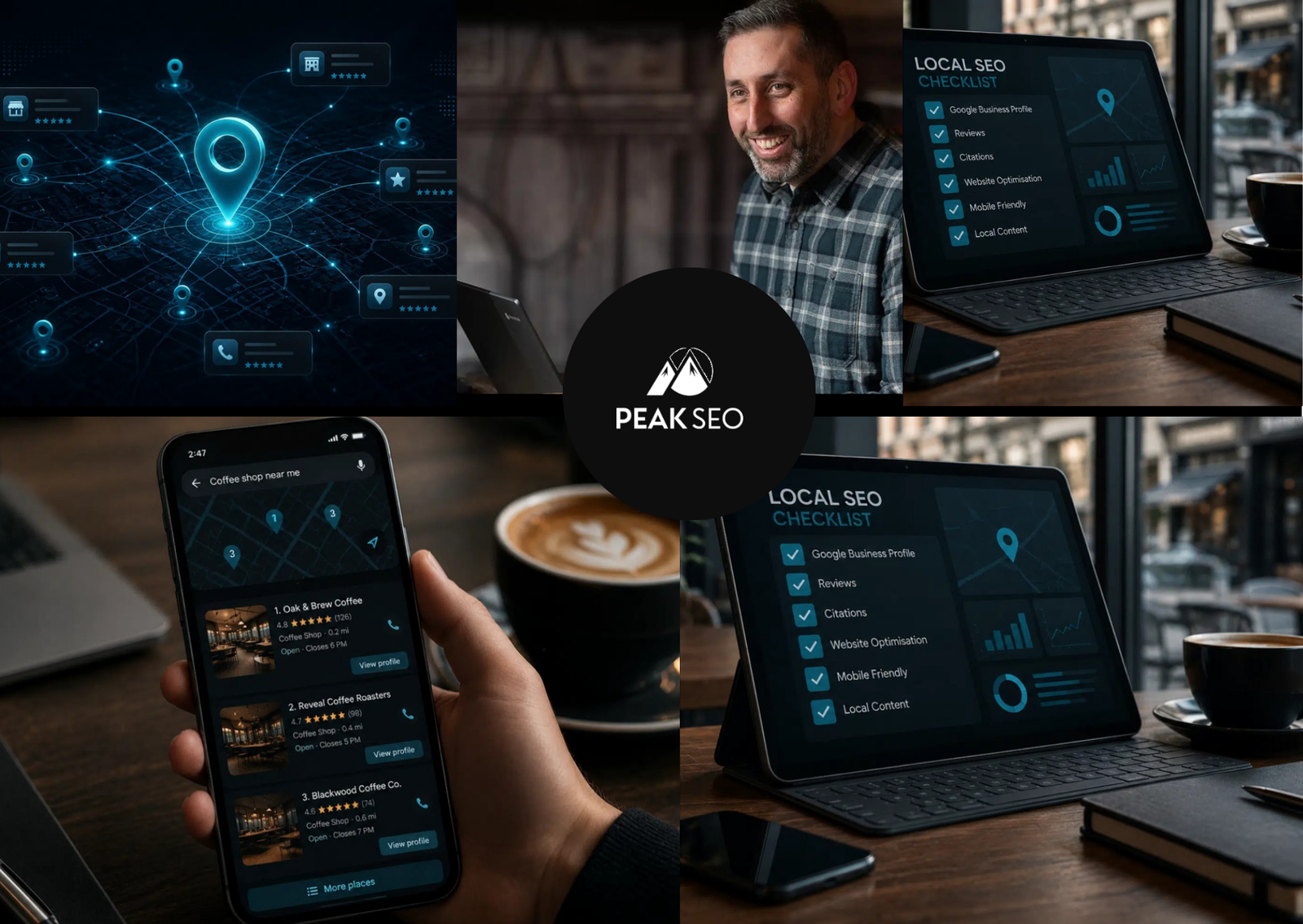
Why local intent changes your SEO strategy
Local searches have a different mindset than broad, generic queries because the user is usually ready to act. They want nearby options, fast answers, and proof that your business can solve their problem. When your pages match that Peak SEO local intent, you tend to earn higher click-through rates and more qualified visits. The goal is to make it obvious to both users and search engines that you serve a specific area.
To align with local behavior, start by mapping your services to the locations you actually serve. For example, a roofing company might create content for “roof repair in Austin” or “emergency leak detection in South Austin,” rather than only targeting “roof repair.” Then make sure your site’s navigation and internal links support those location-focused paths. This approach helps search engines understand relevance and helps customers find answers without hunting through your website.
Optimize your Google Business Profile for visibility and calls
Your Google Business Profile often acts like a front door for local customers, so it should be treated as a conversion page, not a profile page. Use accurate categories that reflect your primary services and add secondary categories only when they truly match your offerings. Write a clear business description that includes your core services and the neighborhoods or towns you serve, without stuffing keywords. Strong photos, consistent hours, and quick responses to messages can also improve your ranking and user trust.
Make your reviews work harder by guiding customers to leave feedback after a successful outcome. Respond to both positive and critical reviews with specifics, such as what you did and how it helped, while avoiding defensiveness. Add service posts that highlight seasonal offers, recent work, or FAQs that local customers ask before booking. When people see consistent signals of activity and helpful information, they are more likely to click through and call.
Build local relevance on your site with pages, proof, and structure
Location pages can be valuable when they provide unique value instead of repeating the same template. Each page should describe local service areas, include practical details like typical project timelines, and answer questions relevant to that community. Add proof such as testimonials from local clients, before-and-after images, and short case studies that show measurable outcomes. If you serve multiple nearby towns, focus on the ones where you can realistically deliver quality support and follow-up.
On-page structure matters for local SEO because it affects how easily search engines interpret your content. Use clear headings, descriptive title tags, and internal links that connect service pages to supporting location content. Include consistent NAP details—name, address, and phone number—where appropriate, especially if you have a local office or service area that customers can verify. Finally, ensure your website is fast and mobile-friendly, since many local searches happen on phones while people are deciding where to go next.
Conclusion
Local relevance is not a one-time fix; it is a system that combines search intent, profile strength, and on-site proof. When you align your content with the locations you serve, improve your Google Business Profile signals, and structure your pages so they’re easy to trust, you build a durable advantage. Many small businesses see the biggest lift when they focus on actions that drive clicks, calls, and real customer engagement rather than chasing generic traffic. Their support is designed to grow small businesses through smarter SEO strategy, including improvements to website visibility and Google Business Profile performance.