

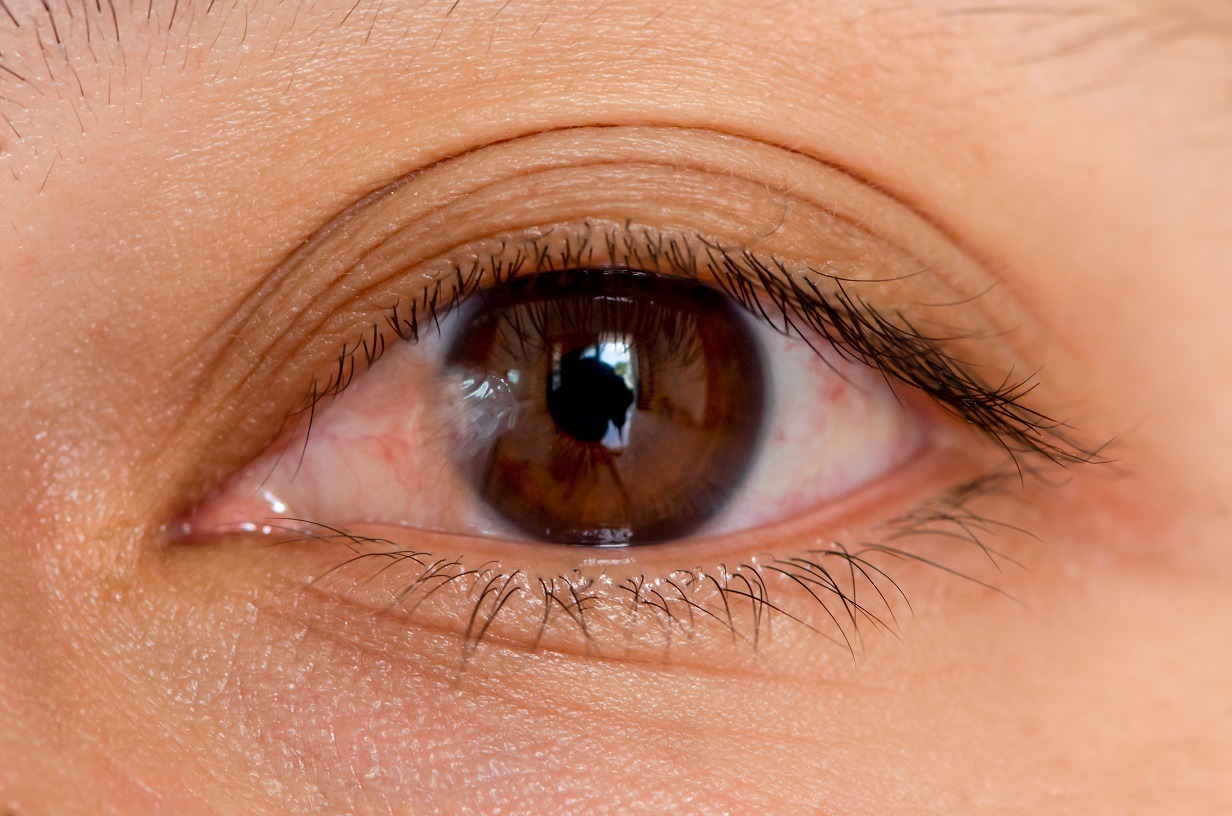
Overview of the condition
Pterygium is a growth on the eye that can affect vision if it advances onto the cornea. It is often linked to sun exposure and dust, and may present as a wedge of tissue on the conjunctiva. Symptoms vary from irritation and redness to a gritty sensation, and Surgery for pterygium visual disturbance when the growth encroaches on the pupil. Many patients monitor small lesions without intervention, but timely assessment is important to prevent progression. This section outlines what doctors look for during an eye examination and when to consider treatment options.
What surgery aims to achieve
Surgery for pterygium aims to remove the abnormal tissue and reduce the likelihood of recurrence. Surgeons may discuss techniques to minimise future growth and improve comfort, including careful handling of the eye surface and strategies to restore a smooth, healthy conjunctival lining. The choice of method depends on lesion size, location, and patient needs. Patients should understand potential risks, benefits, and the expected recovery trajectory before consenting to any procedure.
Common surgical approaches
Several approaches are used to excise pterygium, with variations designed to lower recurrence rates. A typical method involves removing the visible tissue and covering the scleral defect with a graft, which may be taken from the conjunctiva or limbal stem cells. Some surgeons employ anti scarring agents or mitomycin C in carefully selected cases. The goal is a stable surface with minimal irritation once healing completes. Your ophthalmologist will explain the technique best suited to you.
Recovery and aftercare essentials
Recovery after pterygium surgery usually requires a short period of eye protection, with prescribed eye drops to control inflammation and prevent infection. Patients are advised to avoid rubbing the eye and to wear sunglasses when outdoors to reduce irritation from light and dust. Vision may fluctuate in the days following surgery as the eye heals, and most people notice gradual improvement over several weeks. Attending follow up appointments helps ensure proper healing and timely management of any concerns.
Risks, alternatives, and decision making
As with any eye procedure, there are potential risks such as infection, bleeding, scarring, and recurrence. In some cases, non surgical options like lubricating drops or observation may be appropriate for small, stable lesions. Decision making should be collaborative, with clear discussion about the likelihood of success and the impact on daily activities. Your clinician can help weigh pros and cons in light of your visual requirements and lifestyle.
Conclusion
Choosing to pursue Surgery for pterygium is a significant decision that benefits from a clear understanding of technique, recovery, and long term outcomes. Discuss expectations around refractive changes, scarring risks, and the likelihood of recurrence with your eye surgeon to set realistic goals. Visit ouston Lasik & Eye for more information and peer insights to help you feel confident about the process.