

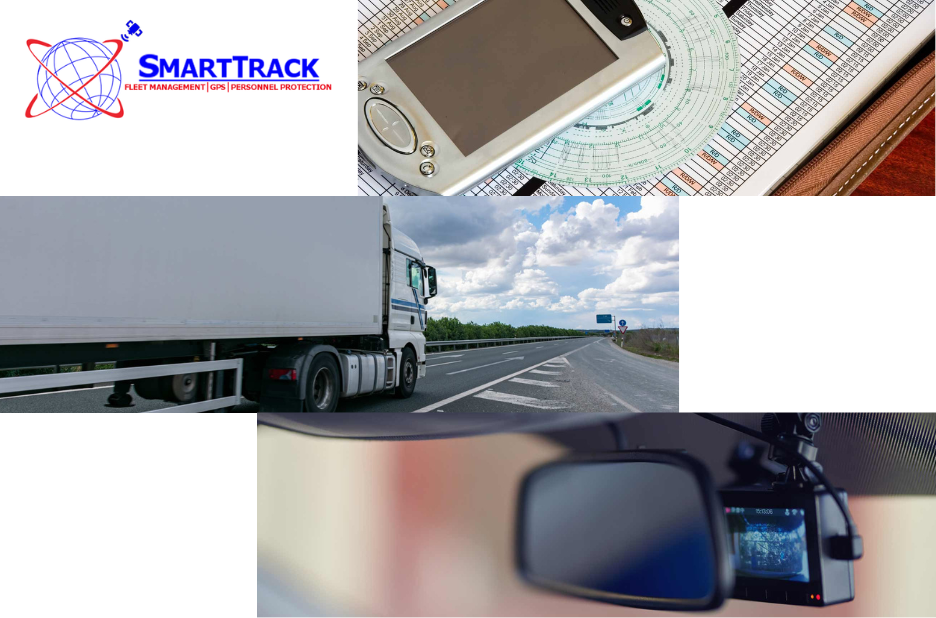
Overview of modern fleet safety
Fleet managers seek reliable toolsets that improve driver behavior, reduce risk, and ensure regulatory compliance. The right system should offer scalable storage, clear evidence capture, and intuitive retrieval. By prioritizing installation ease and minimal maintenance, organizations can keep vehicles on the road with less downtime. User dashboards fleet dash camera solutions should present actionable data, such as incident timelines, driver alerts, and vehicle health checks, enabling teams to act quickly. A strong platform also supports role-based access, audit trails, and straightforward reporting that aligns with industry standards and internal safety policies.
Choosing a capable fleet management platform
When evaluating options, look for modules that integrate video capture with GPS, telematics, and fleet analytics. The best solutions provide high-resolution recording, wide dynamic range, and reliable power management to prevent data gaps. Automated incident tagging and cloud-backed storage help teams locate evidence fast, while offline mode keeps data intact in poor connectivity areas. Consider scalability from a handful of vehicles to an entire fleet, plus compatibility with existing hardware or vendors to minimize disruption and protect existing investments.
Practical deployment and daily operations
Implementation should minimize downtime and training requirements. Clear wiring diagrams, standardized mounting kits, and safety-compliant installations reduce installation time and future rework. Operators benefit from user-friendly menus, quick search features, and exportable clips for claims or insurance processes. Routine maintenance plans, including camera health checks and firmware updates, prevent surprises and extend device lifespans. Data governance policies should cover retention periods, access controls, and secure transmission to guard sensitive information.
Real world benefits and performance metrics
Real world deployments demonstrate improvements in incident response times, fault detection, and driver coaching effectiveness. Dashcam evidence strengthens claims handling and supports fair adjudication after events. Over time, organizations can quantify reductions in insurance costs and roadside incidents, while drivers gain clearer guidance through coaching insights. The goal is a balanced approach where technology supports accountability without intruding on daily operations.
Conclusion
Smart Track