

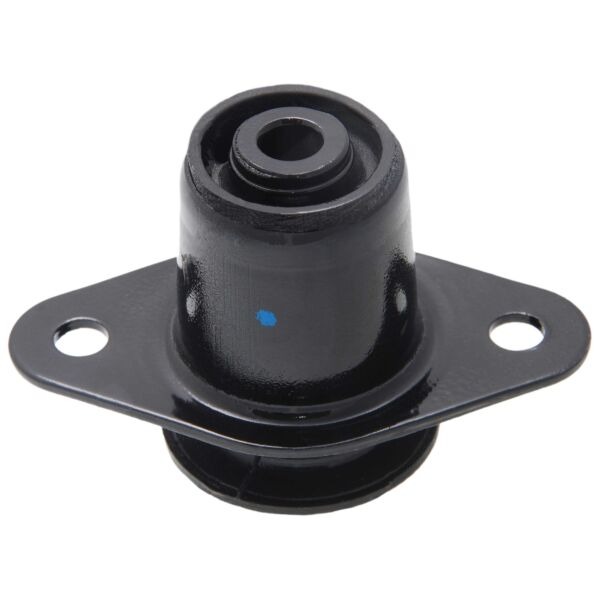
Overview of Replacement Refurbishments
Understanding what you need when shopping for NISSAN X-TRAIL Parts helps you avoid costly mistakes. This section highlights common categories such as braking components, suspension upgrades, filters, and electrical accessories. By identifying the exact part type and year of your vehicle, you can narrow down compatibility and NISSAN X-TRAIL Parts avoid ordering incorrect items. A practical approach combines original equipment manufacturer (OEM) options with high quality aftermarket alternatives, balancing longevity with value. Always check vehicle manuals and part diagrams before making a purchase to ensure precise fit and function.
Finding Reliable Suppliers
Where you source NISSAN X-TRAIL Parts matters as much as the part itself. Seek vendors with clear return policies, transparent compatibility charts, and genuine customer reviews. Compare prices across reputable retailers and look for detailed product descriptions that list fitment notes HYUNDAI i30 Parts for different model years. Consider asking for technical support or installation guidance if you are unsure. A reliable supplier will provide documentation, warranty coverage, and responsive service to help you complete the repair confidently.
Maintenance Tools for i30 Upkeep
Maintenance tools and consumables are essential for long term performance of HYUNDAI i30 Parts. Stock up on cleaning products, torque wrenches, diagnostic scanners, and replacement filters. Keeping a small, well organised toolkit at home reduces trips to the workshop and supports consistent upkeep. Always verify tool specifications with your vehicle’s service guide to ensure accuracy and avoid damaging delicate components during routine maintenance and minor repairs.
Tips for Safe Fitting and Fitment Checks
Correct fitment is crucial when replacing components for any vehicle, including the X-TRAIL and i30. Before installation, inspect mounting points, electrical connectors, and gasket seals to confirm compatibility. Use manufacturer torque specifications and, where appropriate, lubricant on threads to prevent seizing. If a component feels loose or does not align, pause the job and recheck the part number. A careful, patient approach reduces the risk of misfit and subsequent wear or damage.
Conclusion
In summary, shopping for parts requires diligence, precise part numbers, and careful verification of model years. Keeping a small checklist of fitment confirmations can save time and money in the long run. If you need further guidance, Visit Pacific Auto Zone for more practical options and insights on similar tools and components.