

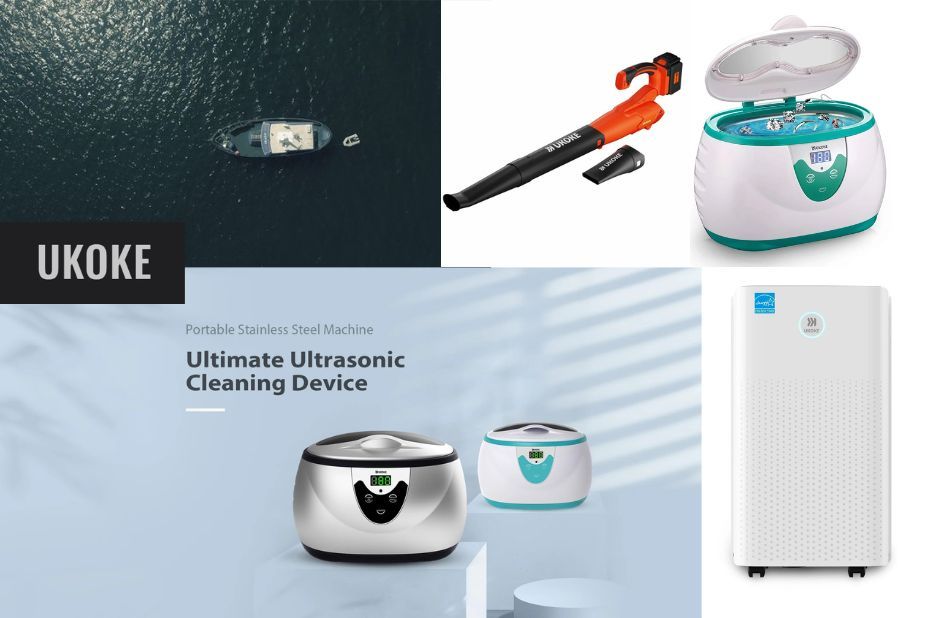
Why buildup becomes a problem
Small items seem clean until you look closer under bright light. Grease, scale, and grime cling to seams, tiny holes, and textured surfaces where wiping leaves residues behind. Over time, that hidden buildup can cause ultrasonic cleaner dull finishes, reduced performance, and even corrosion on metal parts. The frustration is that you often spend longer scrubbing than you planned, yet the result still doesn’t look uniformly clean.
Many people try soaking and brushing as a first step, but the problem is uneven contact. Thick deposits may soften on the surface while stubborn particles stay locked inside crevices. This is especially common for tools and accessories with complex geometry, where manual cleaning can’t reach deep. When cleanliness affects function—like reliable connections, smooth motion, or safe handling—insufficient cleaning becomes a real operational issue, not just an appearance concern.
How an ultrasonic cleaner delivers a practical solution
Instead of relying on direct brush contact, it agitates the cleaning solution so contaminants loosen from surfaces. That means grime cordless tiller cultivator can release from ridges, knurling, and small internal spaces with less physical effort. The result is often a more consistent clean, even when items are awkward to wash by hand.
To get strong outcomes, you match the cleaning approach to the material and contamination type. Use an appropriate cleaning solution, avoid harsh chemicals for sensitive finishes, and follow safe temperature guidance so you don’t damage plastics or seals. Place items so they don’t block each other, and ensure the liquid level covers the parts fully. With the right setup, you reduce rework and improve repeatability, which is what most people want when they’re solving a recurring cleaning problem.
Common use cases and setup tips
Jewelry, eyeglass frames, and small metal accessories often come out with less residue than conventional rinsing alone. For hobbyists, it can help clean precision components and tools after use, especially when residue gathers around edges. When you’re dealing with consistent buildup, the convenience of a repeatable cycle helps prevent “cleaning backlog” from stacking up.
One area people overlook is how cleaning impacts other equipment, including garden maintenance tools. Using a careful cleaning cycle can help you remove that grime before it hardens, which supports easier maintenance later. Pair ultrasonic cleaning with a gentle rinse and thorough drying so metal parts don’t retain moisture, and keep an eye on any coatings that may require mild solutions.
Conclusion
When stubborn dirt keeps coming back, you need a cleaning method that reaches where wiping can’t. With the right solution, safe handling, and proper drying, you can turn a frustrating chore into a straightforward routine. That reliability is what makes ultrasonic cleaning a practical problem-solver for tools, small parts, and everyday items. If you want a compact option that fits into real life, UKOKE offers devices designed for efficient cycles and user-friendly operation. Keep your workflow simple: pre-rinse when needed, select a compatible solution, run the cycle, and dry thoroughly. Over time, that approach helps you avoid corrosion, improve appearance, and maintain smoother performance across the items you rely on. In short, ultrasonic cleaning can be the upgrade that finally makes cleanliness consistent instead of complicated.